Friday, 6 February 2026

Smart Ways to Maintain a Practical and Well-Organized Bathroom

That relentless plink-plink from your toilet cistern isn't just annoying, it's wasting water and spiking your bills. If you've ever stared at a puddle around the base of your loo, wondering where to start, you're not alone. Most of us dread the hassle and cost of a plumber, but the good news is you can often sort it yourself with basic tools and a bit of know-how. Let's dive into simple steps to get your toilet back to quiet, leak-free bliss.

Spot the Sneaky Leak Before It Floods Your Floor

Leaks hide in plain sight, but ignoring them leads to bigger headaches like warped floors or skyrocketing water bills. Start by listening: a quiet trickle means an internal Toilet Cistern issue, often the fill valve or flush mechanism. Check the overflow pipe if water's trickling down it constantly, your cistern's overfilling.

Next, add a few drops of food coloring to the cistern water and wait 15 minutes without flushing. If color seeps into the bowl, you've got a faulty seal or valve. Wipe the floor dry and mark any wet spots with chalk; fresh drips will reveal the source. External leaks? Look for water around bolts or the backflow preventer. Spotting the problem early saves you time and money. Most fixes take under an hour.

Grab These Everyday Tools and Spare No Effort

No need for fancy gear. Raid your toolbox for a wrench, screwdriver, towels, and gloves. Bucket handy for catching drips. Most cistern woes stem from worn washers, diaphragms, or seals cheap parts available at any hardware store.

Isolate the water supply first: turn off the stopcock under the cistern or at the main valve. Flush to empty the tank. Common culprits? A sticky inlet valve or cracked float arm. Unscrewing gently won't help. Pro tip: snap photos before disassembling so reassembly's a breeze. With the right spares, you're plumber-proof.

Master the Quick-Fix for Overflow Nightmares

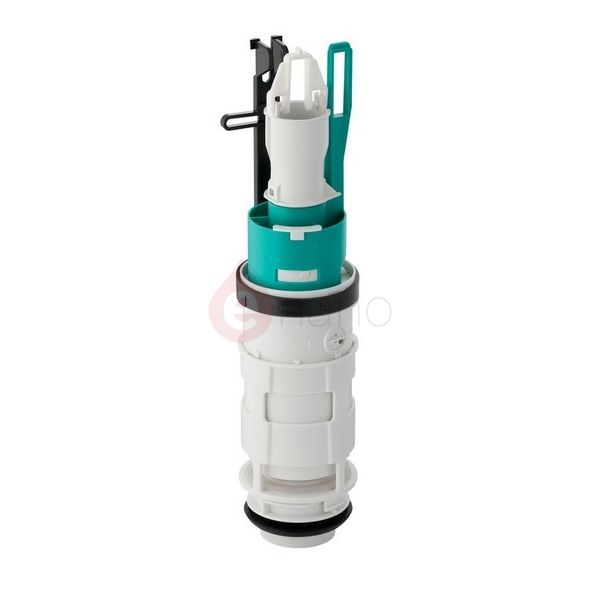
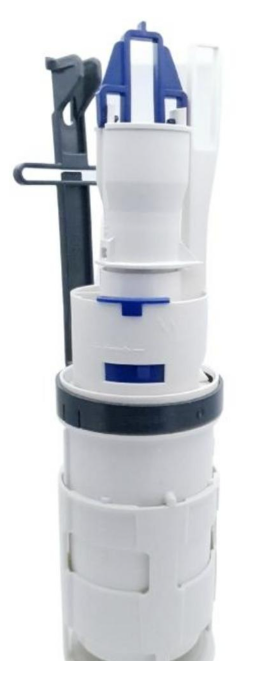
Overflows happen when the fill valve sticks open, flooding your cistern endlessly. Lift the lid carefully, modern dual-flush ones are plastic, so handle with care. Adjust the float: if it's plastic, bend the arm down slightly; metal ones clip to new heights.

For persistent issues, replace the diaphragm washer inside the valve. It's a 10-minute job: unclip the valve cap, swap the old rubber for a new one (they're under £5), and reassemble. Test by turning water back on and watch it fill to the mark without spilling over. If it's the flush button playing up, clean debris or swap the cartridge. These tweaks stop 80% of leaks dead.

Tame Flush Failures That Leave You Floundering

Weak flushes or endless running water? Blame the siphon or chain. Tug the flush mechanism: if it doesn't seal properly, water keeps syphoning. Shorten the chain by hooking it higher, ensuring a snug fit without drag.

DIY seal replacement shines here. Remove the flush plate, lift out the old seal, and pop in a fresh rubber one. Lubricate with silicone spray for smooth action. Refill and test multiple flushes strong whoosh every time means victory.

Seal the Deal and Bulletproof Your Loo

Wobbly cisterns leak from loose bolts tighten them evenly with a wrench, but don't overtighten or you'll crack porcelain. Apply plumber's tape to threads for extra grip. For silent operation, fit a water-saving kit: it reduces fill volume without sacrificing power.

Regular monthly checks prevent disasters. Clean limescale with vinegar keeps valves crisp.

Your Loo's Lifeline Awaits

Imagine mornings without drips, bills that don't sting, and the quiet confidence of a home you control. You've got the skills now to tackle that cistern today and reclaim your peace. Small fixes build big wins; your wallet and the planet thank you. Ready to flush frustration away for good?

Selecting the Perfect Seat for an Elegant Bathroom Upgrade

It's usually not the tiles or the faucet, it's the toilet seat staring back at you, worn out and uninspiring. We've all been there, dealing with cracked hinges, faded colors, or seats that just don't feel right. But here's the good news: swapping it out for something fresh can completely revamp the space. Imagine a bathroom that feels luxurious, easy to clean, and tailored just for you. Let's dive into why and how you can make this simple upgrade happen.

Why Your Toilet Seat Deserves a Serious Glow-Up

Think about it, your toilet seat gets more daily action than any other fixture, yet it's often the most overlooked. A quality upgrade isn't just cosmetic; it boosts comfort, hygiene, and even your home's value. Modern seats come with soft-close lids that prevent those midnight slams, quick-release mechanisms for effortless cleaning, and materials that resist stains and bacteria.

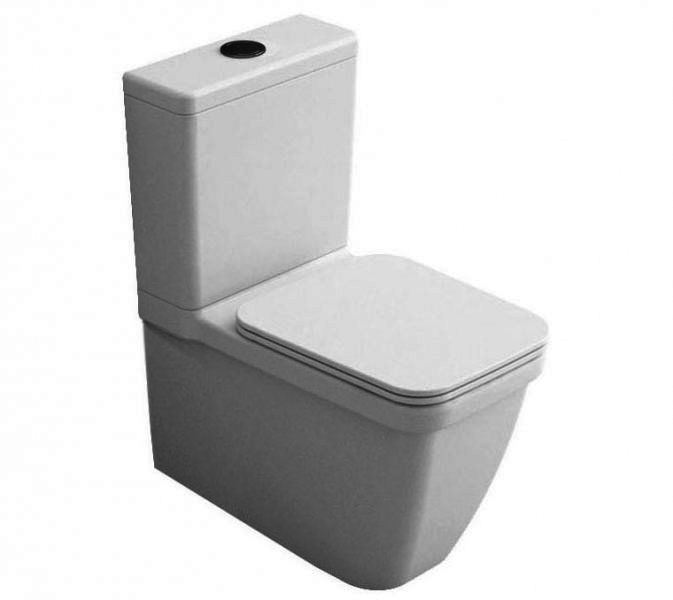
Take the Hatria Toilet Seat, for instance. Crafted with Italian precision, it combines sleek design with durability that stands up to busy households. No more wobbly fits or cheap plastic that cracks after a year. These seats install in minutes and elevate your routine from ordinary to spa-like. Whether you're renovating on a budget or going full luxe, the right seat turns a necessity into a highlight.

Spot the Red Flags: Is Your Seat Screaming for Replacement?

You know it's time when the lid won't stay up, the color's mismatched, or cleaning feels like a battle. Common culprits include hard water buildup, constant wear from kids or pets, and poor initial fit. A mismatched seat can even lead to leaks or instability, turning small annoyances into costly fixes.

Eye-opening stat: Studies show that upgrading bathroom fixtures like seats can increase home appeal by up to 20% for potential buyers. Don't wait for the snap check for these signs:

  •         Fading or peeling finish
  •         Loose bolts or hinges
  •         Uncomfortable shape after prolonged use
  •         Visible cracks or chips

Pro tip: Measure your toilet pan first (standard UK sizes are 340-370mm wide). Compatibility is key to avoiding returns.

Your 5-Minute DIY Upgrade Blueprint

Ready to roll up your sleeves? Upgrading is easier than assembling flat-pack furniture. Grab a screwdriver, your new seat, and follow these steps:

  •         Lift and Unclip: Raise the old seat and unscrew the plastic nuts underneath. Most pop right off.
  •         Wipe Down: Clean the porcelain base thoroughly. It's your fresh start.
  •         Align and Secure: Position the new seat's holes over the bolts, add washers, and tighten those nuts snugly but not overly.
  •         Test It Out: Slam-test the soft-close (gently!), ensure stability, and admire your work.

For premium picks like the Hatria, the quick-release feature means no tools needed for deep cleans just lift, wipe, and snap back. Families love this for kid-friendly hygiene without the hassle.

Style Meets Function: Designs That Wow

Gone are the days of boring white plastic. Today's seats offer wood finishes for warmth, antimicrobial coatings for germ-phobes, and even heated options for chilly mornings. Pair a Hatria Toilet Seat with matte black hardware for a modern vibe, or slimline white for timeless clean lines.

Consider your lifestyle: Busy parents? Go antimicrobial. Eco-conscious? Look for recycled materials. The variety ensures every bathroom gets its personality without breaking the bank.

Budget Hacks and Long-Term Wins

Upgrades start under £30, with high-end models around £100 lasting 10+ years. Shop smart focus on adjustability for universal pans and UV-resistant materials to fend off fading. Bulk buyers or pros often score deals on trusted UK suppliers stocking brands like Hatria.

In the end, this tiny change yields massive returns in comfort and pride.

Catchy Conclusion: Don't Settle for "Flushable" – Make Your Throne Unforgettable!

Why live with a bathroom blah when one smart swap can spark joy every visit? Grab that Hatria Toilet Seat today, install it this weekend, and step into a fresher, comfier world. Your bathroom and your guests will thank you. What's stopping you? Time to flush the old and embrace the upgrade!

Recommend Links!

Blanco Tap Spares

Creavit Toilet Seat

Celmac Toilet Seat

Thursday, 22 January 2026

Everyday Bathroom Hardware Issues and Simple Fixes

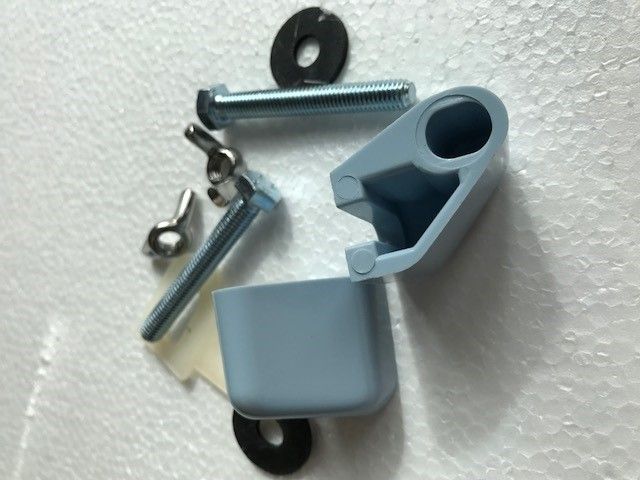
Loose toilet seats plague bathrooms everywhere, from cozy family homes to sleek modern apartments. But here's the good news: you don't need a plumber or fancy tools to fix it. With the right toilet seat brackets, you can banish the jiggle for good and restore peace to your powder room.

Why Your Toilet Seat Hates You (And How to Make Peace)

Let's face it most toilet seats loosen up over time. Daily use, moisture from steamy showers, and even aggressive cleaning wear down the hinges. Cheap plastic brackets crack under pressure, while rusty metal ones slip right out of their holes. Before you know it, your seat's rocking like a boat in a storm.

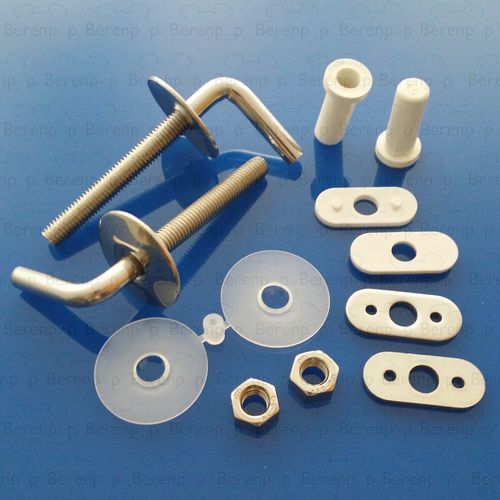
The fix? Sturdy toilet seat brackets designed for real life. These aren't flimsy add-ons; they're heavy-duty heroes made from rust-resistant stainless steel or tough nylon that grip tight and stay put. Pick ones with adjustable arms for a perfect fit on round or elongated bowls, and you'll wonder why you ever tolerated the shake.

Ditch the Drama: 5 Signs It's Time for New Brackets

Don't wait for a full-blown bathroom rebellion. Watch for these red flags:

  •         The Tilt Test Fails: Lean side to side if it sways more than a playground swing, brackets are shot.
  •         Visible Wear: Cracks, rust, or stripped screws scream replacement.
  •         Slippery Hinges: If the seat lifts unevenly or pops off during cleaning, it's bracket betrayal.
  •         Creaky Noises: That grinding sound? Brackets losing their battle with gravity.
  •         Safety Scares: Wobbles increase slip risk on wet floors fix it before someone tumbles.

Spot any of these? Time to upgrade.

Unlock Pro-Level Stability in Less than 30 Minutes

Grab the Essentials First

You'll need new toilet seat brackets (get extras for backups), a screwdriver set, rubbing alcohol for cleaning, and maybe some plumber's tape for extra grip. No power tools required DIY heaven.

Step-by-Step Seat Savior Guide

  •         Prep the Battlefield: Lift the seat and lid. Wipe hinges clean with alcohol to remove gunk no more slippery starts.
  •         Evict the Old Offenders: Unscrew the nuts under the bowl (use pliers if they're stubborn). Pop off the seat gently set it aside like a patient on the operating table.
  •         Measure for Victory: Check your bowl type (round or elongated) and hinge spacing. Match your new toilet seat brackets perfectly no guesswork.
  •         Install Like a Boss: Slide the new brackets into the holes. Tighten screws firmly but not gorilla-style (overtightening strips threads). Adjust arms for even height.
  •         Test Drive: Sit, stand, wiggle. Solid? You're golden. Wipe down and admire your handiwork.

Pro tip: Apply a dab of silicone lubricant to moving parts for smooth, silent operation that lasts years.

Bonus Hacks to Bulletproof Your Fix

Want it to outlast your mortgage? Opt for quick-release brackets for easy lid removal during deep cleans. Pair with soft-close seats to cut slam stress. And maintain with monthly wipe-downs prevention beats endless repairs.

Quality Brackets: Your Bathroom's Best Friend

Not all brackets are created equal. Skip bargain-bin junk that rusts in months. Invest in durable ones with lifetime warranties they pay for themselves by dodging plumber bills (which can hit £100+ easily).

Say Goodbye to Wobbles Hello to Zen Bathrooms

There you have it: no more toilet tango. Sturdy toilet seat brackets turn chaos into calm, saving you time, money, and sanity. Your bathroom deserves better than a shaky throne grab quality replacements today and step into stability. What's stopping you from a rock-solid seat right now?

Saturday, 10 January 2026

Key Components Found Inside a Toilet Cistern

The toilet cistern is known as the toilet tank, a vital component of the toilet system that holds water used for flushing. Though tucked away behind the toilet lid, this toilet part contains several essential parts that work together for a smooth and efficient flush every time. You need to understand these components to diagnose common issues and maintain their toilets better.

The Flush Valve and Flapper

Every toilet cistern contains a flush valve, which controls the release of water from the tank into the toilet bowl during flushing. Attached to it is the flapper, a flexible rubber or plastic seal that keeps water inside the tank until you press the flush handle.

When activated, the flapper lifts and allows water to rush into the bowl and initiate the flush. If the flapper is damaged or worn out, it can cause leaks or continuous running water in the tank.

The Fill Valve

The fill valve is sometimes called a ballcock, which controls the refilling of the cistern after every flush. Connected to the water supply line, this valve opens to let water back into the tank and closes when the water reaches a preset level. Modern fill valves have an adjustable float or sensor to manage water levels more precisely, prevent overflow, and save water.

The Float Ball or Float Cup

The float ball (or float cup in newer models) is a buoyant device connected to the fill valve. This cup rises with the water level and signals the fill valve when to shut off the incoming water. Proper adjustment of the float ensures the cistern fills to the maximum level and maintains efficient flushing power without wasting water.

The Overflow Tube

The overflow tube works like a safety feature to prevent water from spilling over the edge of the cistern. If the fill valve or float fails stopping water from flowing in, the excess water flows through this tube and directly into the toilet bowl, and avoids flooding outside the tank. This tube maintains the cistern's water level and protects the bathroom from water damage.

The Trip Lever and Chain

The trip lever is the handle mechanism located outside the cistern. When pressed or lifted, it pulls a chain linked to the flapper valve, causing the flapper to lift and the flush to start. Over time, the chain can be stretched or disconnected, causing flushing problems. So, it often needs checking during repairs.

Refill Tube

The refill tube directs a small stream of water into the toilet bowl after a flush and replenishes the water that was used to clear waste. This small but essential part ensures the bowl remains clean and prevents odours.

Bottom Line –

Understanding these essential toilet cistern parts can help you maintain your bathroom’s heart with confidence, ensuring a reliable, efficient flush for years to come. This knowledge can help you prevent costly repairs and promote smarter water usage in daily life. Please browse the extensive selection of toilet cistern parts available at My Toilet Spares and find the right selection for your space.